Why Online Booking Is Important for Dental Clinics
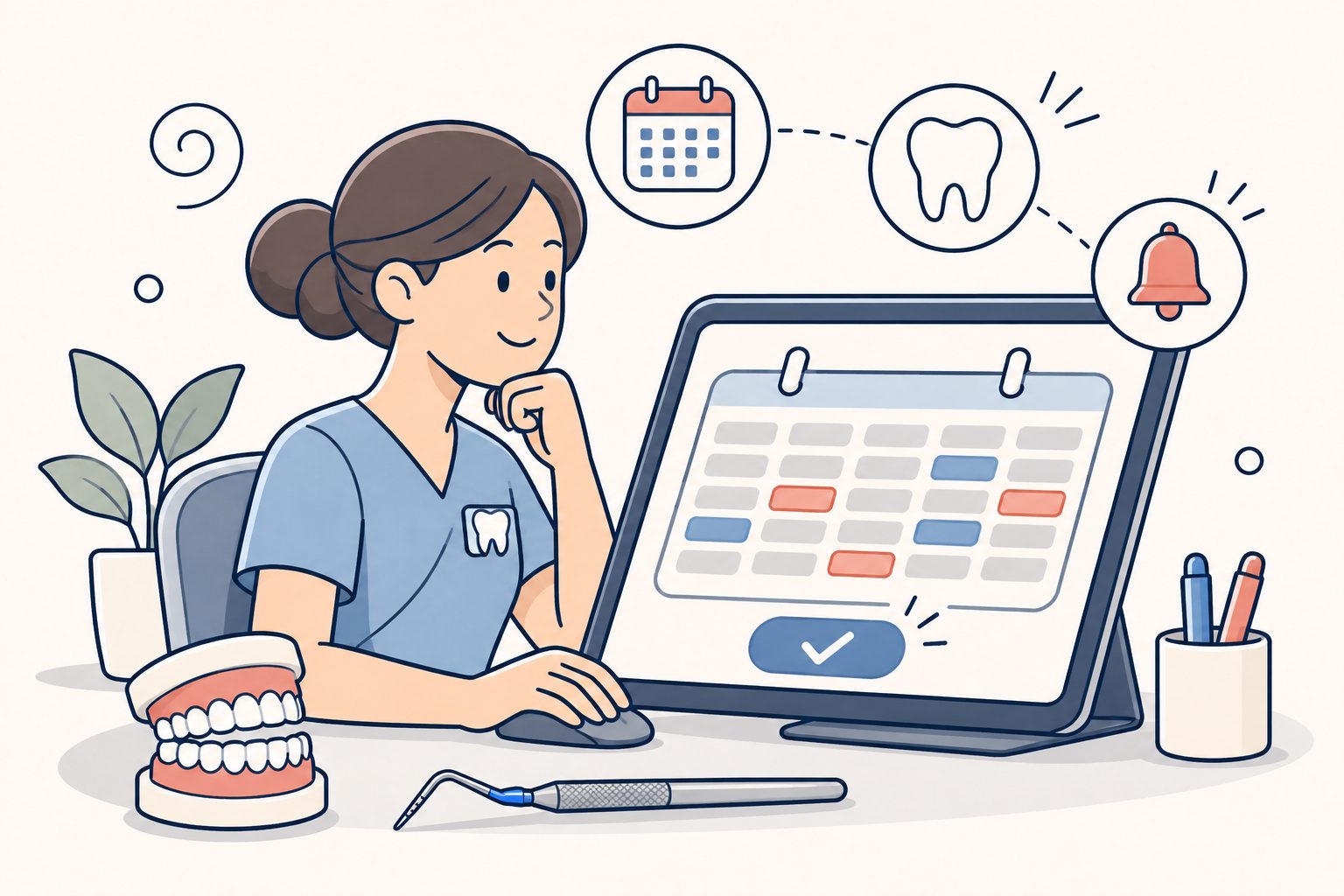
Online booking makes dental appointments easier for patients and helps dental clinics manage their schedules more efficiently. Instead of relying entirely on phone calls, messages, or walk-in inquiries, patients can request or schedule appointments through a digital booking system.
For dental clinics in the Philippines, this can be particularly useful when receptionists are busy assisting patients, dentists are attending to procedures, or appointment inquiries arrive outside operating hours.
But online booking is more than a convenience feature. When supported by an organized scheduling process, it can reduce administrative work, prevent booking confusion, improve patient communication, and help clinics make better use of available appointment slots.
This guide explains why online booking matters, how it works, its benefits for dental practices, and what to consider before implementing it.
What Is Online Dental Appointment Booking?
Online dental appointment booking is a digital process that allows patients to request or reserve appointments using a website, mobile-friendly booking page, or another online platform.
Instead of calling a clinic to ask for available schedules, patients can enter their details, select a service or preferred appointment time, and submit their booking.
There are two common approaches:
- Appointment request system: Patients select a preferred schedule, but the clinic must review and confirm their request.
- Real-time booking system: Patients choose from available slots, and the system confirms the reservation according to the clinic's scheduling rules.
Both can be useful. The appropriate setup depends on the clinic's staffing, treatment types, and scheduling requirements.
For example, a clinic may allow online booking for routine consultations while requiring receptionist approval for longer or more complex treatment appointments.
Why Online Booking Is Important for Dental Clinics
Online booking improves the way patients access dental services while helping clinic staff organize appointments and reduce manual scheduling tasks.
Here are seven important benefits.
1. Patients Can Book Appointments Anytime
Traditional appointment booking usually depends on clinic operating hours.
Patients who want to schedule a dental consultation may need to call during office hours or wait for someone to respond to a Facebook Messenger inquiry.
Online booking removes some of these limitations.
A patient finishing work at 9 PM, for example, could visit a dental clinic's website and select an appointment time for the following weekend.
With an online booking system, patients may be able to:
- Check available schedules without calling.
- Submit appointment requests during evenings or weekends.
- Select convenient dates and times.
- Receive confirmation or request-status information.
- Review relevant appointment details.
The advantage is simple: patients can start the booking process when it is convenient for them, not only when the reception desk is open.
This is especially helpful for working professionals, students, and parents who may have limited time to contact clinics during the day.
2. Reduces the Administrative Work of Receptionists
Receptionists handle multiple responsibilities throughout the day.
They answer inquiries, register patients, coordinate dentists' schedules, prepare records, assist with billing, and manage appointments.
When every booking requires a separate phone call or message exchange, administrative work can become time-consuming.
Consider a typical appointment conversation:
Patient: "Do you have an available schedule on Saturday?"
Receptionist: "We have 10 AM and 2 PM available."
Patient: "Is 11 AM possible?"
Receptionist: "Let me check with the dentist."
An online booking platform with accurate schedule availability can reduce these repeated exchanges.
Patients can see suitable time slots or submit requests, while receptionists focus on confirming details and helping patients who need additional assistance.
The result is not necessarily fewer staff members. Instead, the goal is to allow clinic staff to spend less time on repetitive scheduling and more time supporting patients.
3. Helps Prevent Double Bookings and Scheduling Conflicts
Double bookings occur when two appointments are assigned to the same time, dentist, or limited clinic resource.
This can happen when appointments are recorded separately in a notebook, spreadsheet, phone calendar, or messaging application.
For example, a receptionist might confirm a 3 PM cleaning appointment through Messenger while another staff member records a consultation in the same slot.
A properly configured online scheduling system can help prevent these conflicts by checking availability before accepting reservations.
A clinic can establish scheduling rules based on:
- Dentists' working hours.
- Appointment duration.
- Available treatment chairs.
- Clinic holidays and closures.
- Existing appointments.
- Required preparation or buffer time.
These controls are particularly useful for clinics with multiple dentists or varying procedure durations.
However, online booking only prevents conflicts effectively when its availability information is accurate and synchronized with the clinic's actual schedule.
4. Creates More Opportunities to Receive Appointment Requests
Patients often discover dental clinics through Google Search, social media, recommendations, and clinic websites.
After finding a clinic, an interested patient may want to check available schedules immediately.
If booking requires a phone call during office hours, that patient may need to return later.
Providing an online booking option creates a more direct path from discovering a clinic to requesting an appointment.
For example:
Google Search → Clinic Website → Online Booking → Appointment Confirmation
This process can reduce unnecessary steps between finding the clinic and arranging a visit.
It is important to distinguish increased booking accessibility from guaranteed business growth.
Online booking does not automatically produce more patients. Results depend on the clinic's visibility, available appointment times, service quality, pricing, location, and booking experience.
Nevertheless, making appointments easier to arrange can remove a practical barrier for prospective patients.
5. Supports Better Appointment Confirmations and Reminders
An appointment is not complete just because a patient selected a date.
Patients need to know whether their booking was accepted, where the clinic is located, and what they should do if their schedule changes.
A well-designed booking process can be connected to appointment confirmations and reminders.
For example, a clinic might use this sequence:
- A patient submits an appointment request.
- The clinic checks availability and confirms the schedule.
- The patient receives the appointment details.
- A reminder is sent before the visit.
- The patient attends or contacts the clinic to reschedule.
Depending on the system, notifications may be delivered through SMS, email, or another supported communication channel.
This process helps address one common scheduling problem: patients forgetting appointments or misunderstanding their confirmed time.
Can online booking reduce dental appointment no-shows?
It may help when combined with effective reminders, easy cancellation procedures, and clear booking confirmations. However, online booking alone does not guarantee fewer missed appointments.
Clinics should evaluate their actual no-show rates rather than assume a particular improvement.
6. Improves the Patient Experience Before the Visit
A patient's experience with a dental clinic begins before entering the treatment room.
It can start with the first phone call, online inquiry, or appointment request.
An inconvenient booking process may create frustration before the patient even visits.
Online booking can make the experience more straightforward by giving patients clear information about appointment availability and what happens next.
For example, a useful booking page might explain:
- Which services can be booked online.
- Whether a selected schedule is confirmed or pending approval.
- The clinic's operating hours.
- What information the patient needs to provide.
- How to cancel or reschedule.
- How to contact the clinic for urgent concerns.
Patients who prefer speaking with a receptionist should still have that option.
The purpose of online booking is to expand accessibility, not force every patient to use a digital system.
7. Helps Clinics Understand and Improve Their Schedules
Digital appointment records can also provide useful operational information.
When appointment data is organized, clinic owners can review scheduling patterns and identify areas for improvement.
For example, they may want to know:
- Which days receive the most appointments?
- Which appointment times frequently remain unfilled?
- How often do patients cancel?
- How many appointments are marked as no-shows?
- Which types of visits require longer scheduling blocks?
A booking system with reporting capabilities can make these questions easier to answer.
For a Philippine dental clinic, this information can help with staffing decisions, scheduling adjustments, and capacity planning.
However, reporting features vary by software. Clinics should verify which measurements their chosen platform actually supports.
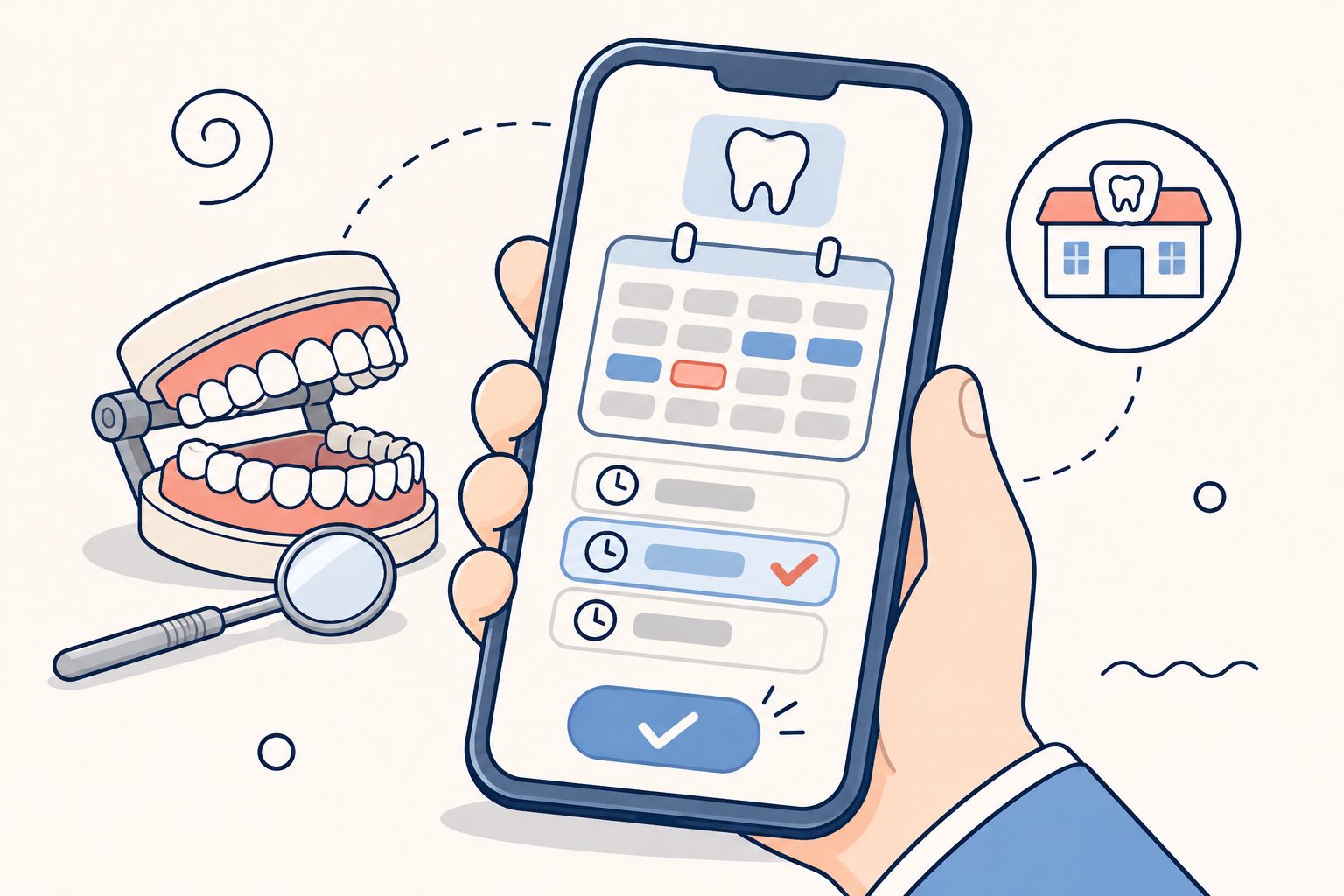
Online Booking vs. Traditional Dental Appointment Scheduling
Both traditional and online appointment booking methods have advantages.
The key difference is how patients submit appointment requests and how clinic staff manage availability.
| Area | Traditional booking | Online booking |
|---|---|---|
| Booking hours | Usually depends on staff availability | Can accept requests 24/7 |
| Patient communication | Calls, messages, or walk-ins | Digital booking forms and confirmations |
| Schedule visibility | Staff usually checks availability | Patients may view available slots |
| Administrative work | Manual coordination for most inquiries | Can reduce repetitive scheduling |
| Double-booking prevention | Depends on staff coordination | Can use automatic availability checks |
| Appointment reminders | Often manually coordinated | Can connect to automated reminders |
| Patient preference | Useful for people who prefer personal assistance | Useful for patients who prefer self-service |
| Complex treatment scheduling | Staff can discuss requirements directly | May require staff approval or special scheduling rules |
Online booking does not need to replace traditional scheduling completely.
A practical solution is to offer both, ensuring patients can use the method they find most convenient.
How Online Booking Works in a Dental Clinic
An effective booking process should be easy for patients and manageable for clinic staff.
Consider a dental clinic in Quezon City that wants to accept online consultation requests.
Step 1: The patient selects a service
The patient opens the clinic's booking page and chooses an available appointment category, such as a general consultation.
The booking page should explain which services require staff confirmation.
Step 2: The patient chooses a preferred schedule
The platform displays available appointment times or lets the patient request a date.
Availability should reflect the dentist's schedule, clinic operating hours, and existing appointments.
Step 3: The patient provides contact details
The patient enters the information needed to process the request, such as their name, contact number, and preferred appointment.
The clinic should avoid requesting unnecessary medical information through a general-purpose booking form.
Step 4: The appointment is confirmed
If the system supports instant confirmation, the patient receives a confirmed booking.
Otherwise, clinic staff reviews the request and communicates whether the requested slot is available.
The booking page should make this distinction clear.
Step 5: The clinic prepares for the appointment
Before the visit, the team reviews the schedule, prepares necessary administrative information, and sends a reminder when appropriate.
For returning patients, staff may also review existing records according to their authorized responsibilities.
A digital medical history record can support the clinic's broader patient documentation workflow.
The objective is a consistent process in which patients understand their appointment status and staff can prepare for scheduled visits.
Important Features to Look for in an Online Dental Booking System
Not all online booking platforms provide the same functionality.
Some simply collect appointment requests. Others connect directly to a live scheduling calendar and automate parts of the booking process.
Before selecting a platform, dental clinics should evaluate the following features.
Appointment availability and calendar synchronization
A reliable booking system should help staff manage actual availability.
Look for calendar synchronization, working-hour settings, appointment duration rules, and protections against overlapping reservations.
Mobile-friendly booking
Patients should be able to complete the booking process on a smartphone without navigating complicated forms.
Keep the process short and clearly display the next action.
Appointment confirmations
Patients need to know whether their appointment is confirmed or awaiting approval.
Confirmation messages should contain accurate booking details.
Reminders and rescheduling
Check whether the platform supports appointment reminders and how cancellation or rescheduling requests are handled.
Multiple dentists and treatment durations
Clinics with several practitioners may need separate schedules.
A brief consultation and a lengthy procedure should not automatically receive the same appointment duration.
Patient information and privacy
A booking system should collect only information needed for the specified purpose, provide appropriate privacy information, and protect patient data from unauthorized access.
For Philippine clinics, this should be evaluated in relation to the Data Privacy Act of 2012 and applicable National Privacy Commission guidance.
Integration with clinic records
A booking system is more useful when appointments can be coordinated with the clinic's patient management workflow.
This can reduce duplicate data entry and help staff locate relevant records without relying on separate systems.
Online Booking and Patient Data Privacy in the Philippines
Online appointment systems process personal information, which means privacy must be considered from the beginning.
In the Philippines, Republic Act No. 10173, or the Data Privacy Act of 2012, establishes requirements for personal data processing.
For dental clinics, practical considerations include collecting only necessary booking information, informing patients how their information will be used, limiting staff access, and applying appropriate data protection measures.
A booking page should provide an accessible privacy notice that explains the collection and processing of patient information.
Clinics should also consider how information is stored, who can access it, how long it is retained, and how it is handled by third-party booking providers.
Health-related information may require additional safeguards because of its sensitive nature.
Online booking is not automatically compliant simply because it uses a modern platform. Clinics remain responsible for evaluating their procedures and applicable obligations.
For official guidance, consult the National Privacy Commission and the Data Privacy Act of 2012.
Common Mistakes When Introducing Online Booking
Making an appointment form available is only the first step.
A clinic also needs a dependable process behind it.
Showing schedules that are not actually available
If online availability is not updated when staff make manual bookings, patients may select occupied time slots.
Use a consistent calendar and establish who is responsible for keeping it accurate.
Treating every appointment type the same
Different dental visits require different amounts of time and resources.
Configure suitable appointment categories and keep procedures requiring clinical assessment under staff control.
Failing to explain the confirmation process
A patient might assume that submitting a request guarantees an appointment.
Clearly label bookings as pending or confirmed, and communicate updates promptly.
Making the booking form too complicated
Long forms and unnecessary questions create additional effort for patients.
Ask only for information necessary at that stage, then collect further details through the appropriate clinic workflow.
Removing personal assistance entirely
Some patients need help choosing an appointment type, arranging special accommodations, or explaining an urgent concern.
Keep phone or direct contact options available.
How to Get Started With Online Booking
Dental clinics do not need to change every scheduling process at once.
A gradual implementation can make the transition easier.
Start with these seven steps:
- Review your current appointment process. Identify repeated inquiries, scheduling conflicts, and common reasons for cancellations.
- Choose which services can be booked online. Begin with suitable routine appointments and retain manual review for complex cases.
- Set accurate availability. Include working hours, holidays, dentist schedules, and appointment durations.
- Define confirmation rules. Decide whether bookings are confirmed immediately or reviewed by staff.
- Prepare patient notifications. Explain appointment details, cancellation procedures, and when patients should contact the clinic directly.
- Train your staff. Ensure receptionists and dentists understand how online requests interact with the clinic calendar.
- Monitor performance. Review booking requests, confirmed appointments, scheduling conflicts, cancellations, and no-shows.
A clinic can begin with a limited set of appointment types and expand online booking as its procedures become more reliable.
Frequently Asked Questions
Is online booking necessary for every dental clinic?
Online booking is not universally required. However, it can be valuable for clinics that receive frequent appointment inquiries, want to accept requests outside business hours, or need a more organized scheduling workflow.
Can patients book dental appointments outside clinic hours?
Yes, if the clinic offers a booking platform that remains accessible outside operating hours. Depending on the system, patients may receive instant confirmation or wait for clinic staff to approve their request.
Can online booking prevent double appointments?
It can help when the system checks current availability and synchronizes with the clinic's scheduling calendar. A basic appointment request form without calendar integration may not prevent conflicts.
Does online booking reduce no-shows?
Online booking may support better attendance when combined with confirmations, reminders, and convenient rescheduling. The effect varies between clinics, and no-show reductions should not be guaranteed.
Should dental clinics stop accepting phone bookings?
- Offering both online booking and direct assistance gives patients greater flexibility. Staff-assisted scheduling remains important for complicated appointments and patients who prefer personal communication.
What is the difference between online booking and appointment management software?
Online booking focuses on how patients request or reserve appointments. Appointment management software helps clinic staff organize calendars, update appointment statuses, coordinate schedules, and maintain records. Some platforms provide both capabilities.
Make Dental Appointment Scheduling Easier to Manage
Online booking can improve dental clinic operations by making appointments more accessible, reducing repetitive administrative work, and supporting clearer scheduling communication.
But its value depends on the process behind it.
An effective system needs accurate availability, appropriate appointment durations, reliable confirmations, and clear responsibilities for clinic staff.
For Philippine dental clinics, it should also fit existing patient-record workflows and data privacy obligations.
The best approach is to make booking easier for patients while keeping scheduling accurate and manageable for the clinic.
DentalDesk.ph provides dental clinic management tools for patient records, appointment calendars, and appointment reminders. If your clinic is reviewing how it manages bookings and patient information, explore DentalDesk.ph to learn about its clinic management software.